
Energy efficiency
Built to hold the temperature you paid for.
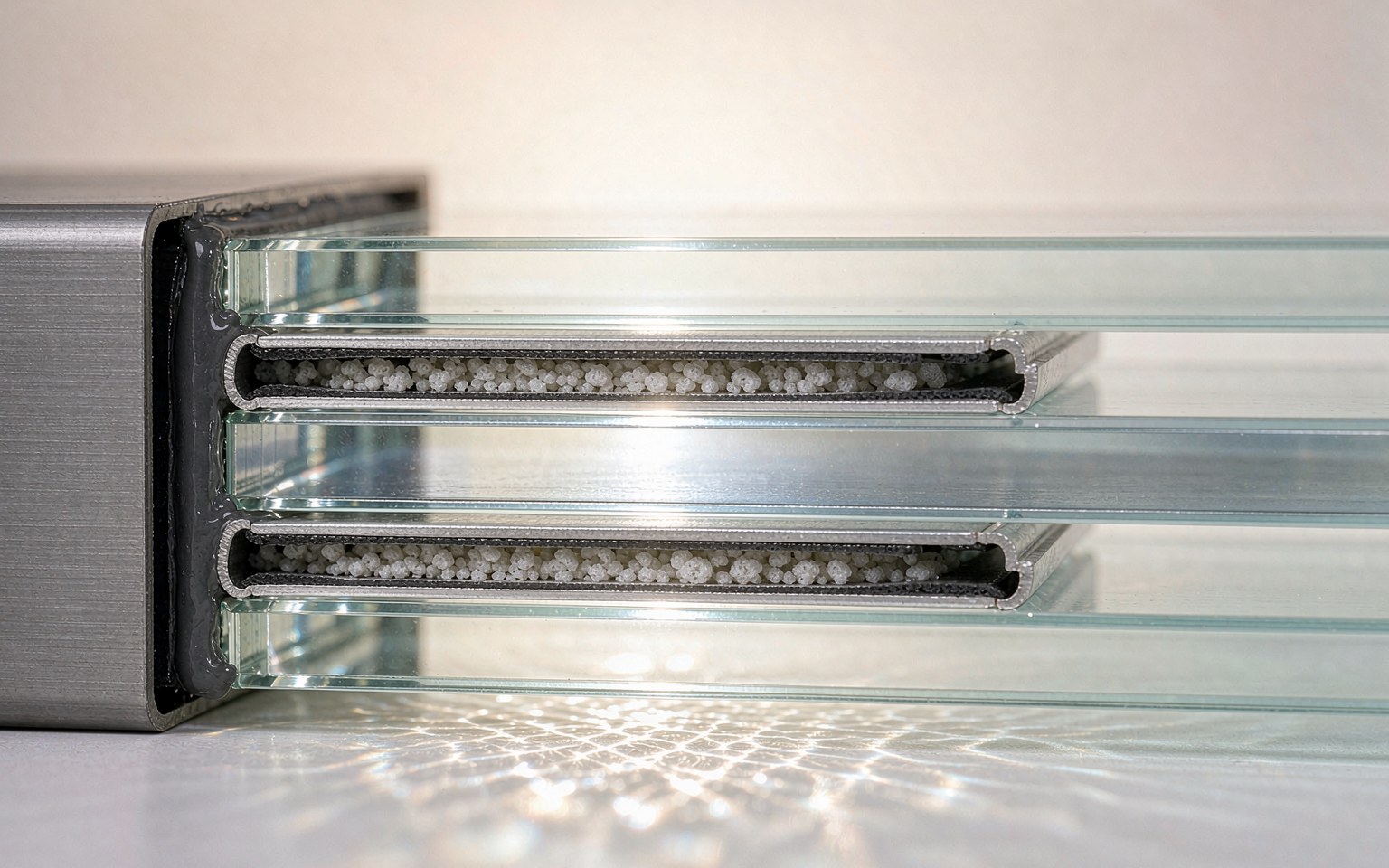
HAIDI is committed to energy saving. Thermal-break profiles, warm-edge glazing and three seals work together to cut energy consumption in every climate we ship to.
The label, explained
Four numbers that rate a window.
U-Factor
The heat transfer rate through the window or door. The lower the U-factor, the better the unit keeps heat inside in winter — and outside in summer.
Solar Heat Gain Coefficient (SHGC)
How well the unit blocks heat from sunlight — like an SPF rating for glass. Lower SHGC means less unwanted solar heat in summer.
Visible Transmittance (VT)
How much visible light passes through. A higher VT means more daylight and clearer views.
Air Leakage
How much air passes through the assembled unit. Lower leakage means fewer drafts and a better-sealed home.
Data standard from HAIDI
Typical ratings of our build-ups.
| Data | U-factor | SHGC | VT |
|---|---|---|---|
| Window | 0.24 – 0.30 | 0.28 – 0.29 | 0.31 – 0.37 |
| Door | 0.25 – 0.28 | 0.34 – 0.35 | 0.41 – 0.44 |
Partial range of values for HAIDI windows and doors. Project-specific values depend on series, glass and size — ask for the test report on your section.
How the build-up saves energy
Summer and winter, both directions.
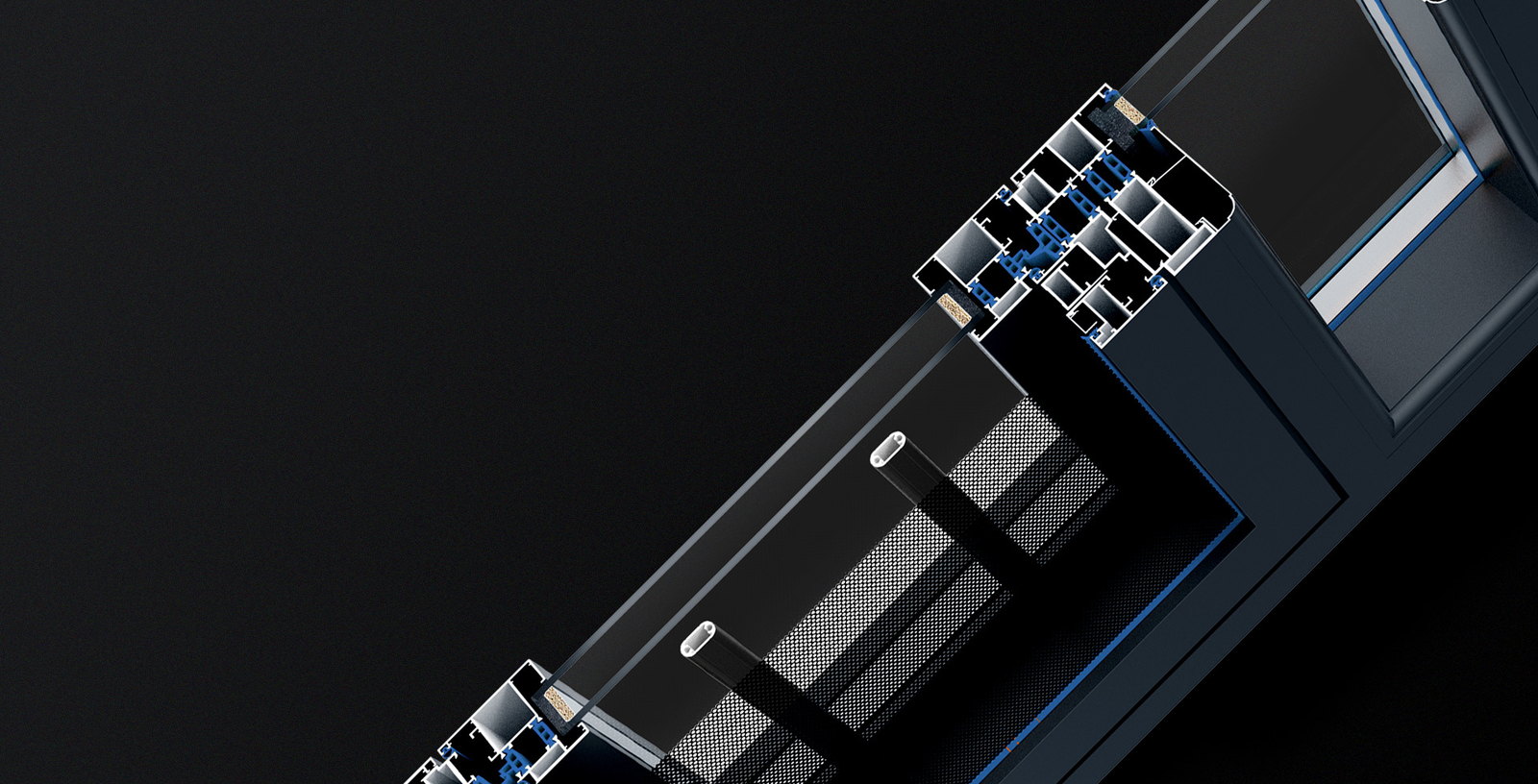
- Insulating glazing — double or triple glass with an air or gas cavity reduces heat transfer and keeps rooms cool in hot weather
- Low-E coating — a transparent layer that reflects heat while letting daylight through, minimising solar heat gain
- Sealing strips — three EPDM seals prevent air leakage and hold the indoor temperature in winter
- Thermal break — the PA66GF25 barrier between inner and outer profile is what turns an aluminium frame into an insulating one
Glass types
What the glass changes.
- Laminated glass — maximum UV absorption and acoustic damping
- Low-E coated glass — the standard choice for energy-efficient homes
- Tinted & reflective — privacy and glare control with light still passing through
- Double glazing — 5+20A+5 as standard across all series
- Triple glazing — two cavities for cold climates and near-silent rooms
- Built-in blinds — sealed between the panes, never dusted
About air tightness: in humid climates — coastal and tropical — air tightness decides whether a window fogs and drafts. Our R&D team keeps upgrading the airtight grades for exactly these markets.
Send the climate. We spec the build-up.
Tell us the destination and we recommend the series, glass and ratings to match.
